
When Rhythm Breaks
Last week I skipped a post. Normally I draft early in the week and refine until Sunday, but this time I had nothing. By Sunday, I felt ‘off.’ I wondered if I should indulge in self-care, but quickly thought: I haven’t spent time with God. That moment revealed something, I’m still learning to cultivate a rhythm that flows organically and evolves over time. Out of that reflection came this week’s musing: LOVE YOURSELF?
Why the Question Matters
I hesitated over self-care because I thought it might contradict Scripture: deny yourself (Luke 9:23), or Paul’s warning that people will be “lovers of themselves” (2 Timothy 3:2). A snippet of a verse can linger without its full context, and that tension led me to ask: is loving yourself biblical?
What the Bible Actually Says

- Natural self-love is assumed: “Love your neighbour as yourself” (Mark 12:31) presumes we already care for ourselves.
- Healthy self-worth is biblical: We are created in God’s image (Genesis 1:27) and are His workmanship (Ephesians 2:10). That gives us dignity.
- Danger of selfish love: Scripture warns against pride, arrogance, and self-centredness.
- Proper order of love: Jesus taught: love God first, then love your neighbour as yourself (Matthew 22:37–39). Self-love is balanced under love for God and others.
Why “Love Yourself” Can Seem Contrary
- Modern culture vs. biblical teaching: Today’s self-love movement often promotes independence from God and self-obsession.
- Biblical caution: Paul’s warning in 2 Timothy 3:2 is about selfish pride, not healthy self-respect.
- Focus shift: The Bible emphasises denying yourself and serving others (Philippians 2:3–4). When “love yourself” becomes the main goal, it risks replacing God’s command to love Him and others first.
A Balanced Biblical View
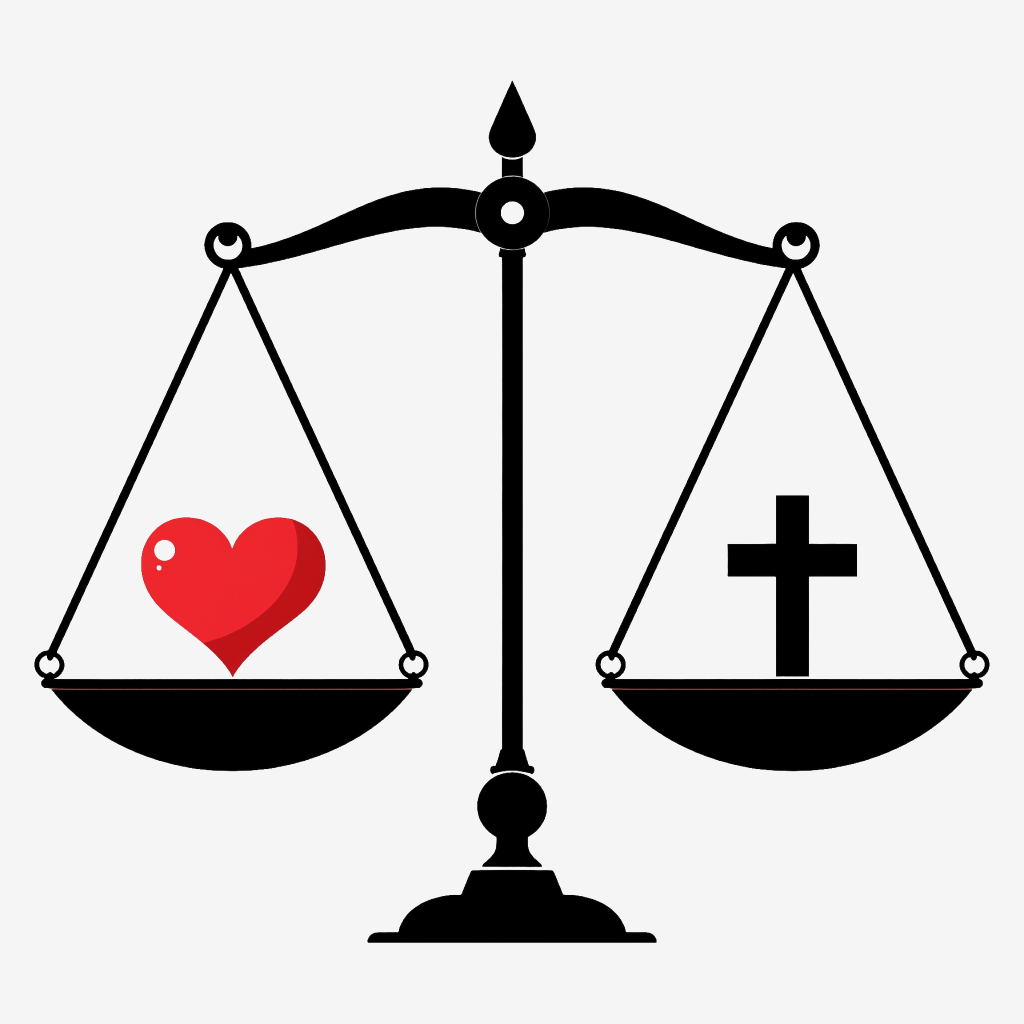
- Self-care is good: Caring for body, mind, and soul honors God’s creation.
- Self-worth is rooted in God: True self-love flows from knowing you are loved by Him.
- Guard against pride: Loving yourself must never overshadow humility, service, and worship.
The Bible does not condemn loving yourself in the sense of valuing yourself as God’s creation. What it condemns is self-centred love that elevates the self above God and others. The balance is clear: Love God first, love others as yourself, and respect yourself as His beloved child.
Finding Rhythm Again
As I think about self-care and self-love in light of Scripture, I realise that cultivating rhythm is part of loving myself rightly. A rhythm of prayer, writing, and rest is not about indulging the self, but about honouring God with the life He’s given me. When I pause to care for my body and soul, I’m better able to seek Him first and serve others well. Rhythm, then, is not a rigid schedule but an organic flow, one that grows with me, keeps me attentive to God, and reminds me that His love is the foundation of all true self-worth.

 The Eleven One
Leave a comment