“Christmas has always been a funny one for me. As a child, it was full of wonder… As an adult, I’ve stepped away from much of the commercial side.”
Childhood Wonder, Adult Choices
Growing up, Christmas meant nativity plays, carol services, decorating the tree, and the warmth of family traditions. Presents were piled high, the atmosphere was alive with joy, and I knew exactly why we celebrated, It was about the birth of Jesus (Yeshua).
As an adult, I treasure gathering with family and the Christmas Day service, but I’ve opted out of gift-giving beyond my children. My daughter once had long lists, and I delighted in filling the tree with her wishes. My son was simpler, a football kit and a game, year after year.
Recently, though, his requests have shifted: from football gear to expensive coats and now simply cash. I respect his growing independence, but I refuse to spend hundreds on trends that fade. If I stretch to something big, it will be a refurbished iPhone, practical, lasting, and within reason.
Pagan Roots and Christian Adaptation
History tells us that Christmas is layered. The date and many traditions were shaped by earlier pagan festivals:
- Saturnalia (Rome): feasting, gift-giving, and role reversals.
- Yule (Norse): evergreen trees, fires, and twelve days of celebration.
- Winter Solstice: across cultures, a time of hope as light returned to the world.
By the 4th century, the Church fixed December 25 as the feast of Christ’s birth. Not because it was his actual birthday, which remains unknown, but because it aligned with these midwinter festivals. Early Christian leaders wanted to offer a holy alternative, making it easier for converts to embrace faith.
Traditions Through Time
Over centuries, customs blended and evolved:
- Gift-giving: from Saturnalia’s tokens of luck to the Magi’s gifts for Jesus, now wrapped under our trees.
- Evergreens & trees: symbols of eternal life in pagan rituals, later adopted into Christian celebrations.
- Carolling: rooted in Anglo-Saxon wassailing, transformed by St. Francis into joyful songs of Christ’s birth.
- Santa Claus: a fusion of St. Nicholas’ generosity, Norse legends of Odin, and modern commercial imagery.
Even holly and mistletoe carry pagan echoes, fertility rituals turned into symbols of peace, joy, and truce. The Christmas tree itself, though not biblical, became a powerful emblem of life and hope.
Holding Onto What Matters
Christmas today is a fusion: sacred and secular, Christian and pagan, spiritual and commercial. It has been reshaped across centuries, sometimes distorted, sometimes enriched.
But for me, it comes back to simplicity. Family. Worship. A few thoughtful gifts. And above all, Christ.
“Christmas may be layered with history and consumerism, but I choose to hold onto its heart: the birth of Jesus, the light of hope, and the joy of love shared with those closest to me.”
The Reason for the Season
Walking down the street today, Christmas feels different. Shops roll out decorations the day after Halloween, yet I rarely see anything pointing to Jesus (Yeshua). It saddens me.
Growing up, I never imagined people could celebrate Christmas without knowing its meaning. But now I realise many don’t, the birth of Jesus (Yeshua) has been overshadowed by consumerism.

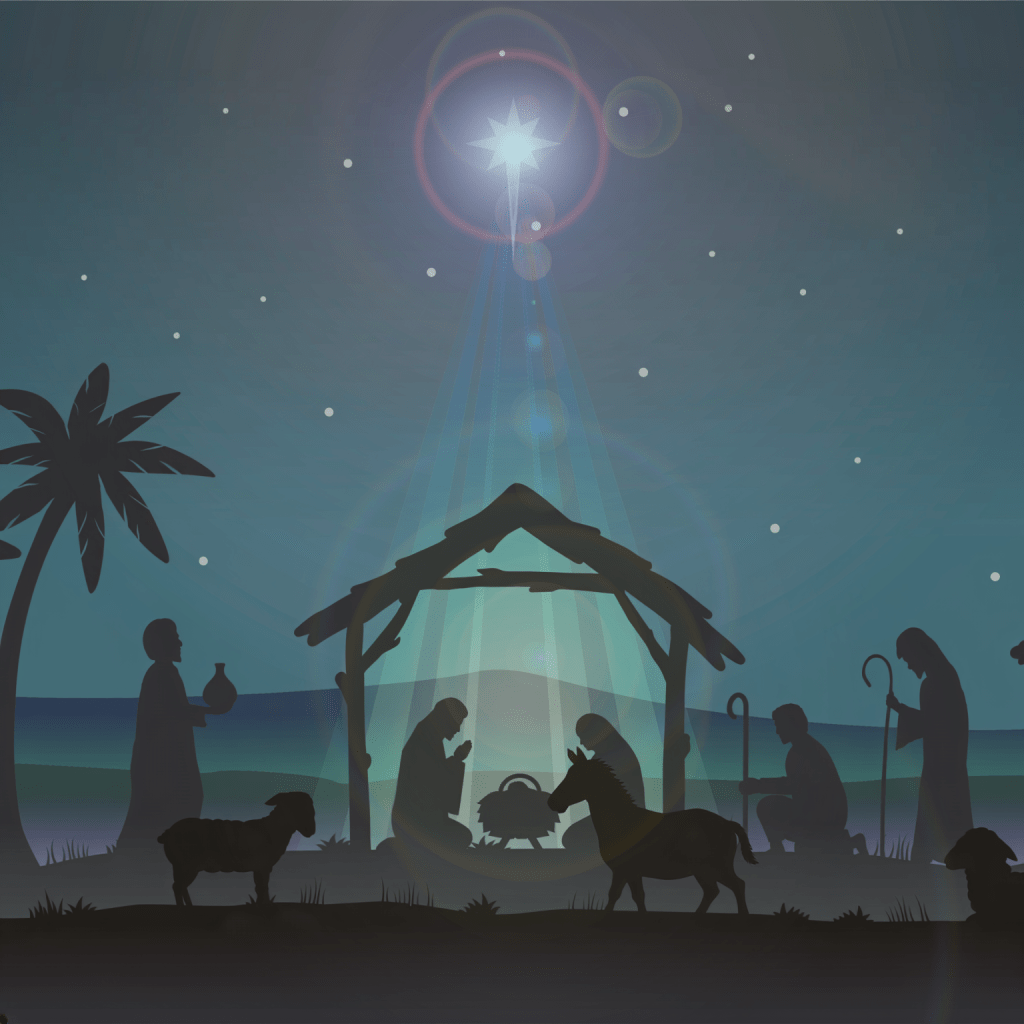
For me, the heart of Christmas remains the Nativity: the story of Jesus (Yeshua) born in Bethlehem, light entering the world. That is the reason for the season, even if the world forgets.
Reflection for Readers
How do you navigate the mix of tradition, consumerism, and faith at Christmas?
What do you choose to hold onto, and what do you let go?

 The Eleven One
Leave a comment